How to Create a Chia Seed Sensory Bin: A Delightful Exploration of Touch and Texture
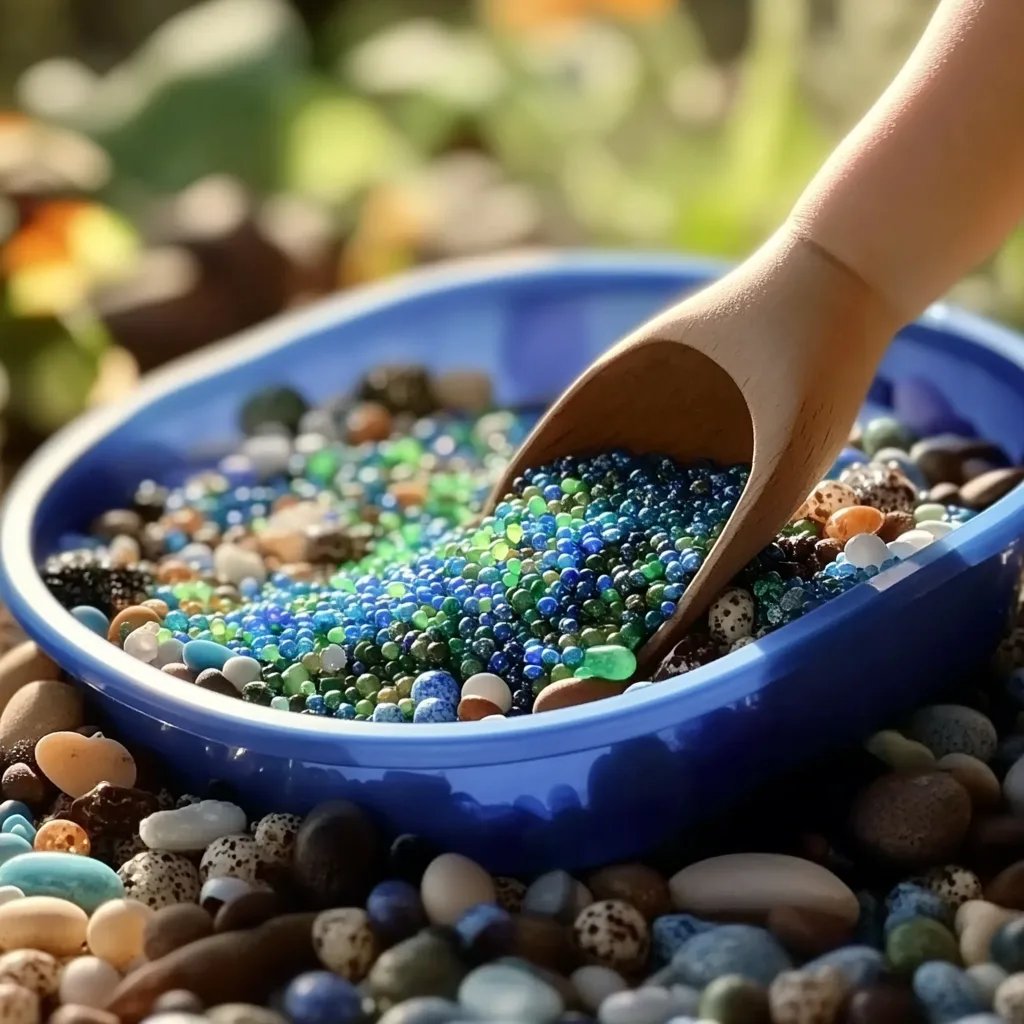
Hello, fellow crafters! Today, I’m excited to take you through the wonderful world of sensory play with a hands-on project that’s not only enjoyable but also immensely educational: a Chia Seed Sensory Bin. If you're a parent, teacher, or caregiver looking for a captivating way to engage little ones' senses, this sensory bin is a great tool to have! It’s trendy nowadays, and for good reason—it offers a tactile experience that many children find intriguing and therapeutic.
What is a Chia Seed Sensory Bin?
Simply put, a Chia Seed Sensory Bin is a creative space filled with chia seeds and various tactile items that enhance the sensory exploration experience. This bin allows children to dig, sift, scoop, and explore different textures while also fostering fine motor skills and promoting imaginative play. The bin can be easily set up at home or in classroom settings and is perfect for ages 2-5 years, although older kids will enjoy it as well—especially when you incorporate themed elements!
Why Are Sensory Bins So Popular?
Sensory bins have exploded in popularity because they’re not only fun but also crucial for childhood development. They encourage sensory exploration and stimulation, which helps improve cognitive skills. Plus, they provide a calming activity for kids who might be experiencing anxiety or overstimulation.
You can use your chia seed sensory bin for various occasions: rainy day activities, birthdays, holiday celebrations, or simply as a consistent part of your home learning environment. Plus, they’re easy to customize!
—
Materials You'll Need
Before we dive into the tutorial, let’s gather our materials. I love projects that use accessible items, so here’s what you’ll need:
- Chia Seeds: About 1 pound (can be found in health food stores or online).
- Plastic Bin/Tub: Choose a bin with sufficient depth (at least 6 inches) and wide enough to allow for free play.
- Scoopers, Cups, and Funnels: These can be anything from measuring cups to small plastic shovels.
- Natural Elements: Think of items like pinecones, small rocks, dried flowers, or even themed toys (e.g., sea animals, farm animals).
- Sensory Add-ins: You may add extra textures with items like rubber balls, soft feathers, or fabric strips.
- Water or Liquid (Optional): For activating the chia seeds and creating a gel-like texture.
- Glitter or Colored Items (Optional): To make the sensory bin visually appealing.
Safety Note:
Make sure to supervise young children while they play with the bin. Chia seeds are generally safe but can pose a choking hazard for very young children when dry.
—
Step-by-Step Tutorial to Create Your Chia Seed Sensory Bin
Step 1: Prepare Your Chia Seeds
Why This Matters: Activated chia seeds expand and become gelatinous when mixed with water, making them more engaging for sensory play.
To start, you want to activate your chia seeds. In a bowl, mix 1 cup of chia seeds with 10 cups of water and stir well. Allow this mixture to sit for about 30 minutes to an hour. You’ll notice they’ll absorb the water, turning into a jelly-like substance.
Tip: If the mixture is too thick, just add more water. Conversely, if it’s too watery, add more chia seeds bit by bit until you get the desired consistency.
Potential Issue: If your seeds clump together, simply stir the mixture again; this is a normal occurrence and can be fixed with a few minutes of mixing!
Step 2: Set Up Your Bin
Why This Matters: A well-set-up bin invites and encourages play!
Once your chia seeds are ready, pour them into your chosen plastic bin. Ensure to give them a good stir so they are evenly distributed. I love to lay a tablecloth underneath or set this up outdoors to keep the mess contained.
Step 3: Add Natural Elements
Why This Matters: Natural items enrich the sensory experience by providing varied textures and weights.
Now comes the fun part! Begin adding your natural elements into the chia seed mixture. Scatter in pinecones, rocks, dried flowers, or any add-ins you’ve collected. I often intersperse themed toys among the chia seeds to stimulate imaginative play.
Tip: If you are creating a theme (like a jungle or ocean scene), consider selecting elements that align with that theme. For example, small plastic sea creatures would be perfect for an ocean-themed activity.
Step 4: Incorporate Sensory Tools
Why This Matters: Tools help children develop motor skills and keep them engaged longer.
Add tools like scoops, cups, and funnels into the bin. Ensure they’re easily accessible so kids know where to find them! This encourages exploration as they pour and transfer the chia seeds while refining their hand-eye coordination.
Step 5: Engage and Explore!
Why This Matters: This is about the joy of discovery and the spectrum of sensory experiences.
Now that everything is set up, it’s time for the kiddos to dig in! Show them how to use the scoopers to fill cups with chia seeds, and demonstrate how they can let the seeds trickle through their fingers. Sit back and watch the magic happen as they find new ways to play!
Possible Issues: Some children may be hesitant to touch the chia seeds at first. Encourage them gently, and perhaps use phrases like “let’s explore together” or “look how the seeds feel between our fingers!” Your enthusiasm will help them feel more comfortable.
Cleaning Up
I recommend keeping paper towels handy for any messes that might occur. Encourage your children to participate in the clean-up process by letting them help sweep any chia seeds from the floor back into the bin. It reinforces responsibility and good habits!
—
Creative Variations to Try
- Rainbow Chia Bin: Add food coloring to each water batch to create a colorful sensory experience.
- Seasonal Themes: Tailor it for the seasons—add in fake leaves for autumn or holiday-themed decorations for winter.
- Dino Dig: Hide small dinosaur toys for a prehistoric excavation experience.
Concluding Thoughts
Creating a Chia Seed Sensory Bin is not only fun but is a gateway to countless educational and developmental benefits for children. I hope sharing this process has inspired you and armed you with the confidence to create your own lively sensory bin!
Remember, flexibility is key! Feel free to adapt the steps as needed, substitute items you have on hand, or change up the thematic elements. As you embark on this sensory adventure, enjoy the moments of discovery with your little ones, and don’t hesitate to reach out with any of your questions or experiences. Happy crafting!