How to Make Baking Soda and Vinegar Fireworks: A Beginner's Guide to Explosive Fun!
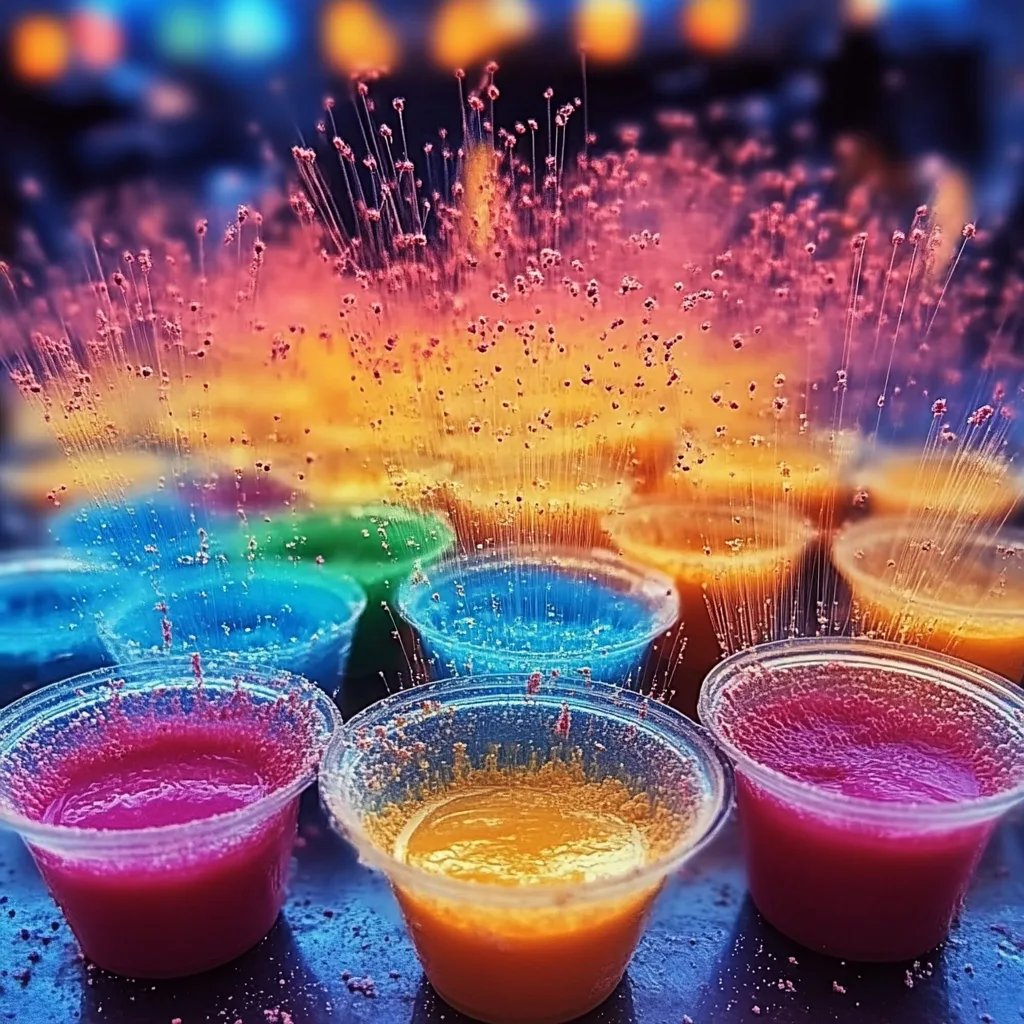
Hello there, fellow crafters! Today, I'm excited to share an exhilarating DIY project that combines chemistry with creativity—Baking Soda and Vinegar Fireworks! This project is incredibly popular among kids and adults alike, capturing the fascination of science experiments and the magic of fireworks without any of the risks associated with real pyrotechnics. These homemade fireworks are perfect for birthday parties, backyard gatherings, or simply a spirited afternoon of fun and learning.
Why Baking Soda and Vinegar Fireworks?
Baking soda and vinegar are household staples known for their diverse uses in the kitchen and beyond. However, when combined, they produce a delightful reaction that releases carbon dioxide gas, resulting in an effervescent explosion! I adore this project because it’s not only easy but also teaches kids about chemical reactions in a safe and engaging way.
When to Use These Fireworks
You can use Baking Soda and Vinegar Fireworks for:
- Birthday Parties: A great activity to keep little hands busy.
- Science Days: Perfect for school projects and experiments.
- Backyard Fun: An epic way to celebrate summer days.
- Holiday Celebrations: Whether it’s New Year’s Eve or Independence Day, it’s always a hit!
So, let’s roll up our sleeves and get crafting! Here’s a comprehensive, step-by-step tutorial on creating your own homemade fireworks.
What You’ll Need
Before we dive into the steps, gather these simple materials:
- Baking Soda (1 tablespoon)
- Vinegar (1/4 cup)
- Food Coloring (optional, for extra flair)
- Small containers or film canisters (you can substitute with plastic cups).
- Safety goggles (for eye protection, especially for young helpers).
- A tray or a large cookie sheet (to contain any mess).
Step-by-Step Tutorial
Step 1: Prepare Your Workspace
Ensure your workspace is clean and clutter-free, and lay down your tray or cookie sheet to catch any spills.
Why this matters: A tidy workspace allows for focus on the experiment and makes cleanup a breeze!
Step 2: Add the Baking Soda
In your small container, add 1 tablespoon of baking soda. You may want to double this if you’re looking for a more significant eruption!
Tip: If you have kids helping, you can let them take turns measuring!
Step 3: Incorporate Food Coloring (Optional)
If you want a colorful explosion, add a few drops of food coloring to the baking soda. This step is entirely optional, but don’t skip it if you want to impress with vibrant colors!
Anecdote: I once used blue and red food coloring to create fireworks that looked like patriotic fountains during the Fourth of July, and the kids loved it!
Step 4: Get Ready for the Vinegar
In another small container, measure out 1/4 cup of vinegar. Make sure your kids have their safety goggles on!
Why this matters: Vinegar can splash, so it's vital to protect those eyes, even though it’s harmless.
Step 5: Mix the Ingredients
Here comes the fun part! Pour the vinegar into the container containing the baking soda. Step back, let the fizzing begin, and watch your fireworks come to life!
What to expect: The reaction will produce bubbles and a wonderful fizzing sound, with some bubbling over the top of the container.
Possible hiccup: If your fireworks don’t seem explosive, check that your baking soda isn’t expired—fresh ingredients are crucial for a strong reaction!
Step 6: Clean Up
After the fizzing subsides, you can clean up the residue by simply washing the containers. The residue is non-toxic, thanks to the baking soda and vinegar.
Safety Warning: Never attempt to seal the container before mixing. The pressure that builds up can lead to an explosion that can hurt someone.
Troubleshooting Common Issues
- Not Enough Fizz?: As mentioned, make sure your baking soda is fresh. If it’s clumpy, it’s probably stale. A quick freshness test is to add a teaspoon to vinegar; if it bubbles vigorously, you’re good to go!
- Eruptions Too Small?: Scale it up! Use larger containers or an increased amount of baking soda and vinegar.
- Messy Workspace?: Embrace the mess! But if you’re concerned, set up your experiment outside or in a place easy to clean.
Creative Variations
Once you get the hang of the basic recipe, why not experiment? Some of my favorite tweaks include:
- Create a Rainbow Effect: Use different colors of food coloring and conduct several reactions in a row for a multi-colored display.
- Glow-in-the-Dark Fireworks: For a fun night experiment, add some tonic water (which contains quinine) to your vinegar for a glow effect!
Conclusion
Baking Soda and Vinegar Fireworks are not just a fun experiment but an incredible way to engage with science in the comfort of your home. I hope this guide has ignited your curiosity and enthusiasm for science. Whether you’re hosting a party, spending time with your family, or enjoying an afternoon project alone, this is an explosive way to learn and laugh!
Remember, the best part of crafting is the joy it brings, so have fun, experiment, and don't fear the fizz!
Happy crafting, and until next time, stay curious!